Two projects. Both anonymised where appropriate. Both documented because the detail is what makes them credible — not just the headline numbers.
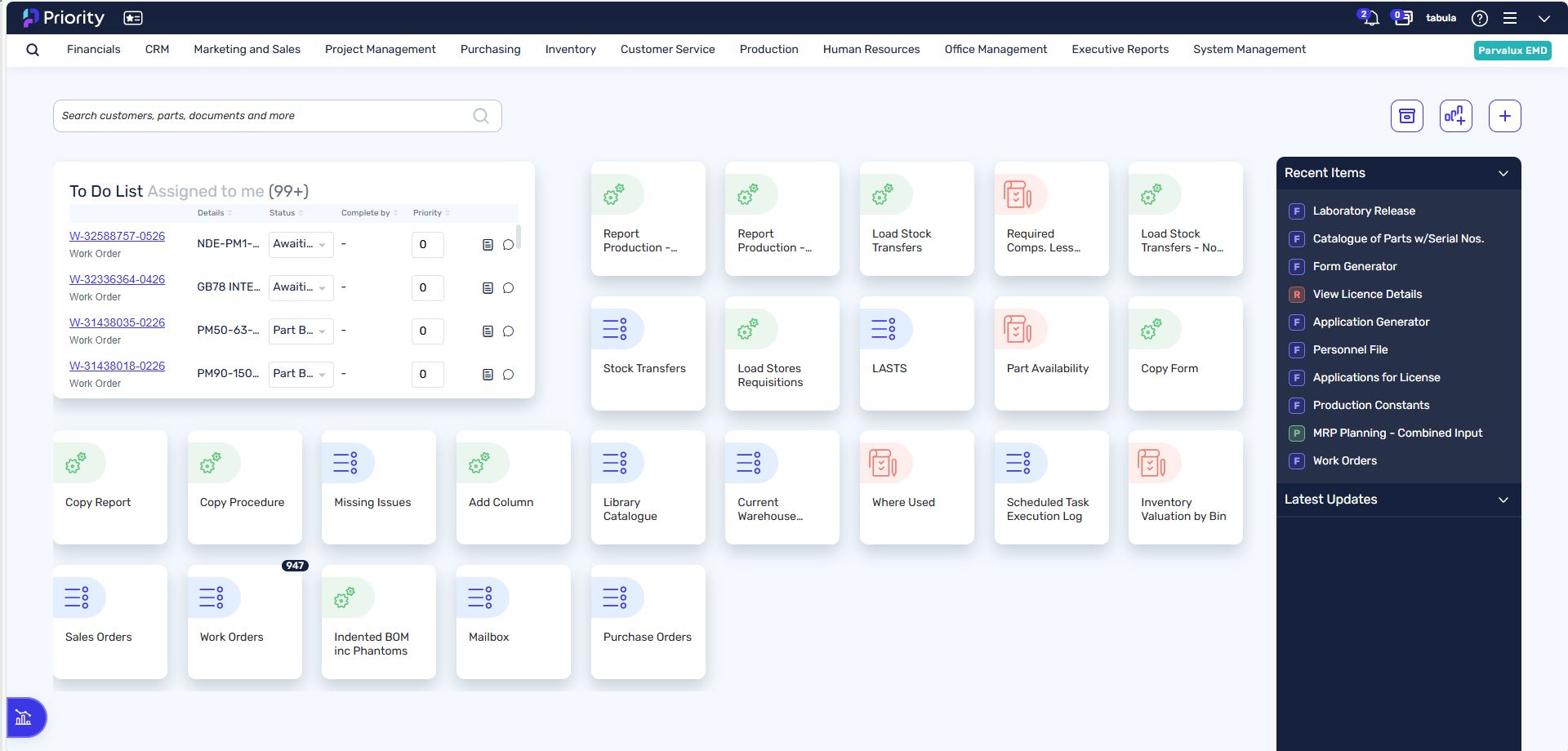
A UK manufacturing business had been running Priority ERP for over a decade. The system worked — after a fashion. But it was seven major versions behind current, running on a Windows thick client that staff found slow, unintuitive, and frustrating to use. Nobody had tackled the migration because nobody was sure it could be done without significant disruption to a live manufacturing operation.
The business ran continuously. There was no convenient window of weeks to take the system down and rebuild it. Any migration had to happen fast, had to happen cleanly, and had to leave staff on Monday morning facing a system that worked — not a system that mostly worked, with a list of issues to resolve over the following weeks.
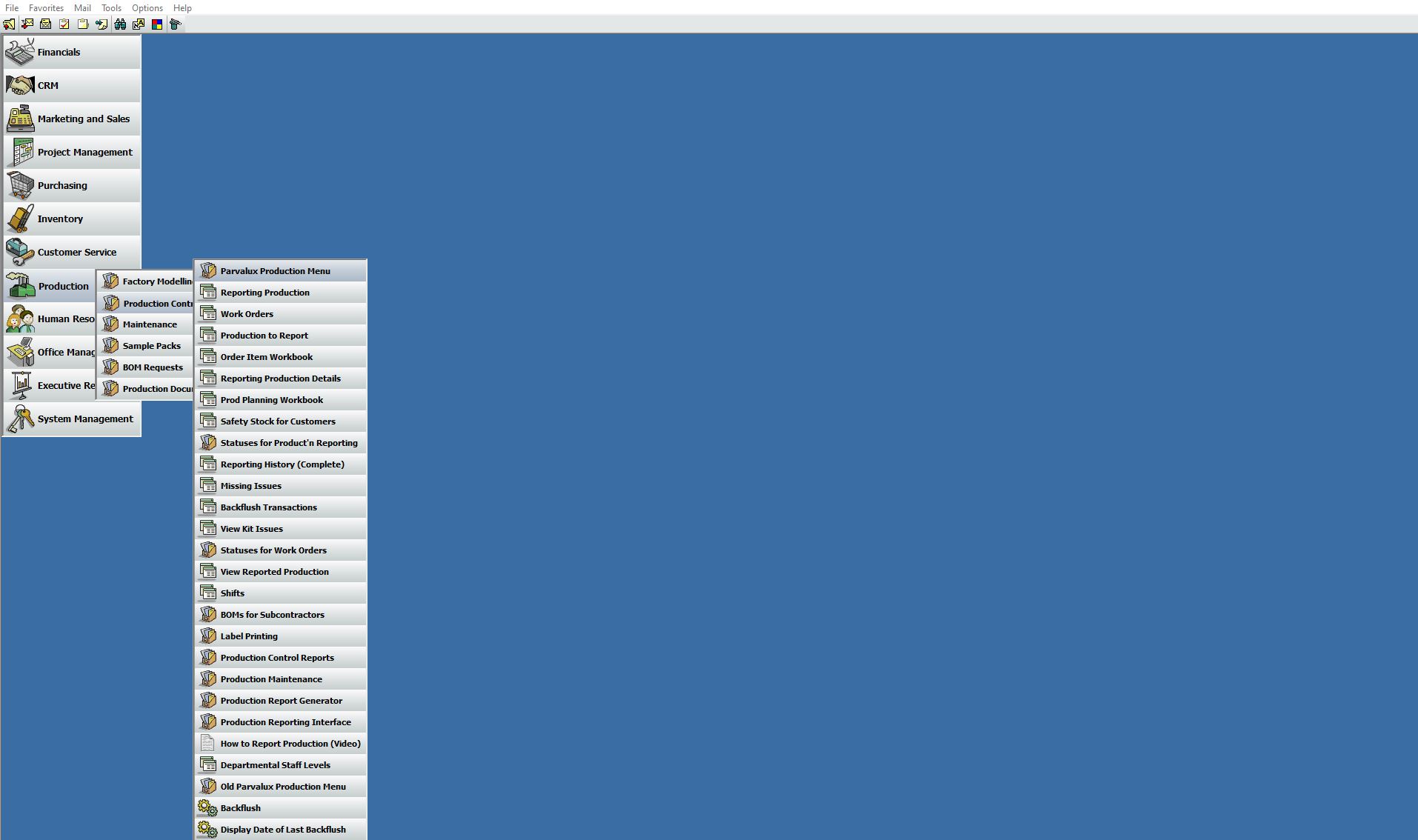
The planning phase was methodical. Seven major versions is not a simple incremental upgrade — each version introduces changes to data structures, procedures, and interfaces that need to be understood before the version above it can be attempted. I mapped the upgrade path, identified the breaking points, tested in a staging environment, and built a detailed run-book for the migration weekend itself.
For the Priority-specific technical elements of a jump this large, I engaged Medatech — Gold Standard Priority ERP partners — to provide specialist support during the migration. That was a deliberate decision, not a gap. Knowing when to bring in the right specialist, briefing them properly, and remaining the single accountable point throughout is exactly how complex projects should be managed. The architecture, the planning, the on-site coordination, and the outcome were mine to own.
I booked a hotel room near the site. That is not a detail I include for effect — it was a decision that made the migration viable. Being on-site from Friday evening through Sunday meant that when something unexpected surfaced, it was dealt with immediately. Not escalated. Not deferred. Dealt with.
The migration ran through the weekend in sequence — version by version, validating at each stage before proceeding to the next. Data integrity checks at every step. User acceptance testing on a representative sample of business processes before sign-off. The web interface was configured and tested while the data migration ran.
"Staff arrived Monday morning to a system that just worked — cleaner, faster, and built for how people actually work today. Seven major versions. One weekend. One accountable person."
Case Study 02 — Infrastructure · Multi-site consolidation
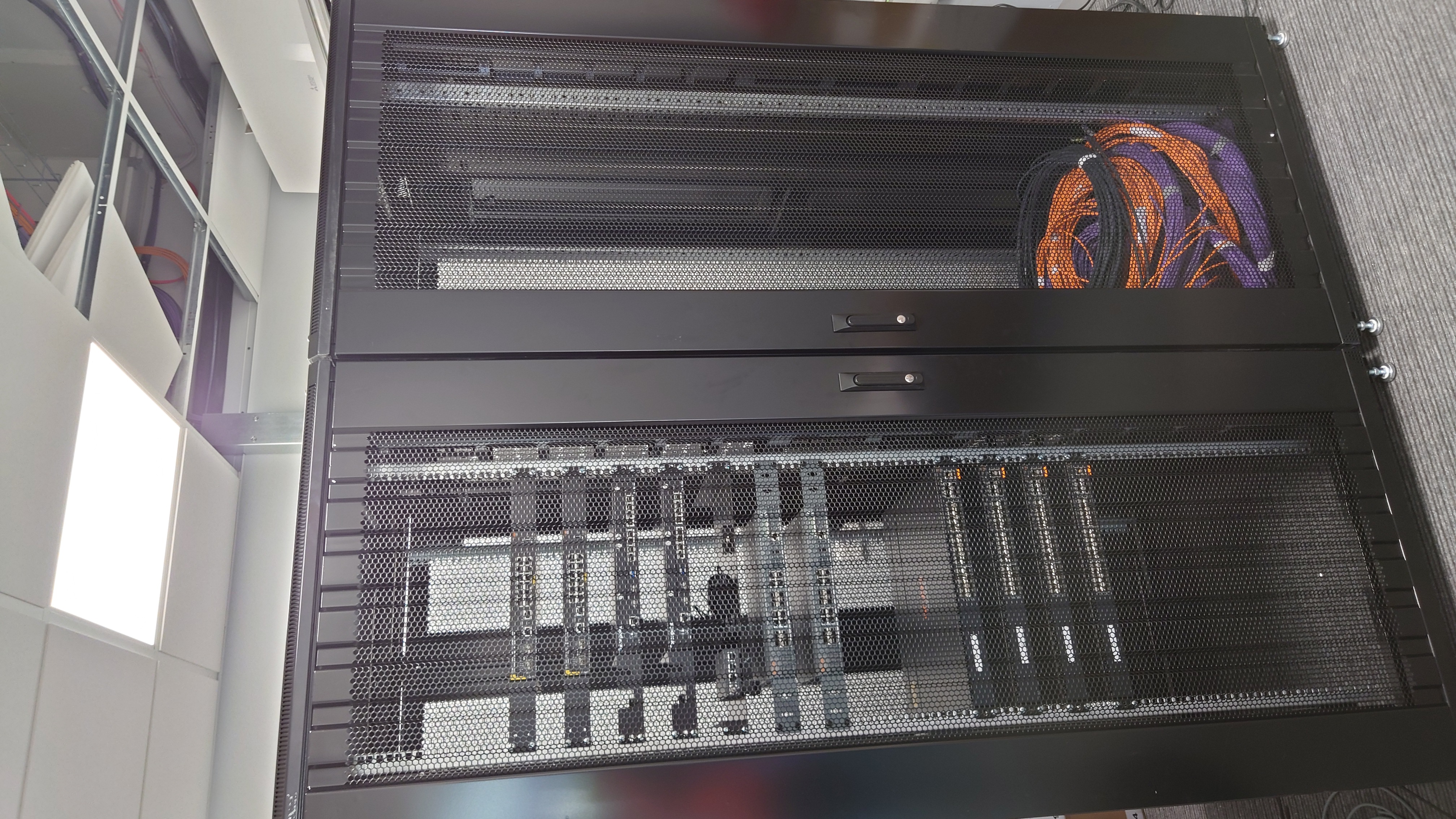
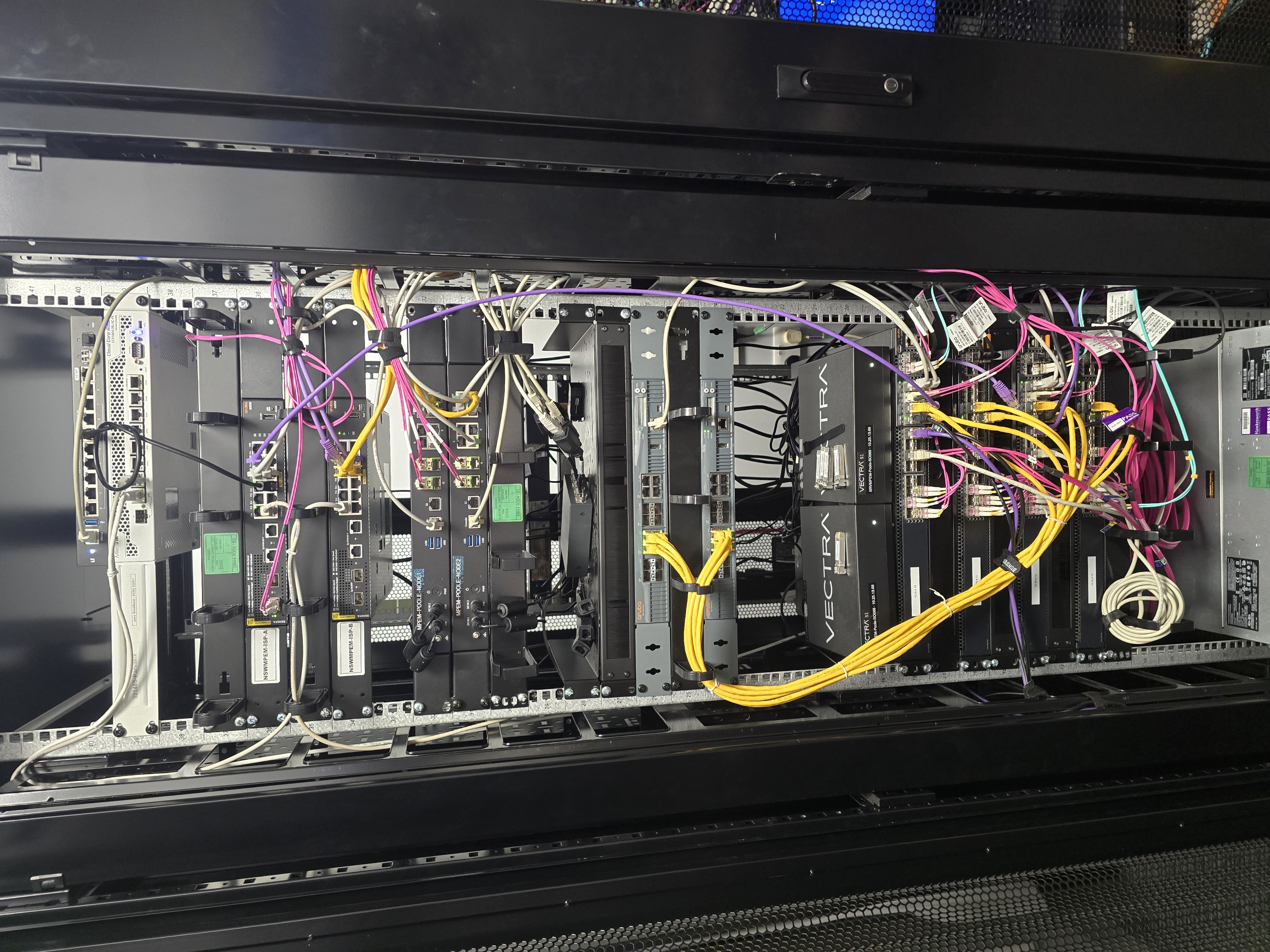
A manufacturing business was opening a new Mega Factory — a single, purpose-built site designed to consolidate operations that had been running across four separate factory locations. Each site had its own IT infrastructure, its own local servers, its own network, its own endpoints. Bringing them together was not a migration project in the traditional sense. It was closer to building a new IT department from a blank page, under pressure, while keeping four live operations running throughout.
The brief was open-ended in the worst possible way: the new site was a building with network ports in the walls. Everything else — the specification, the procurement, the cabling contractors, the server room, the endpoint deployment, the documentation — needed to come from somewhere. That somewhere was me.
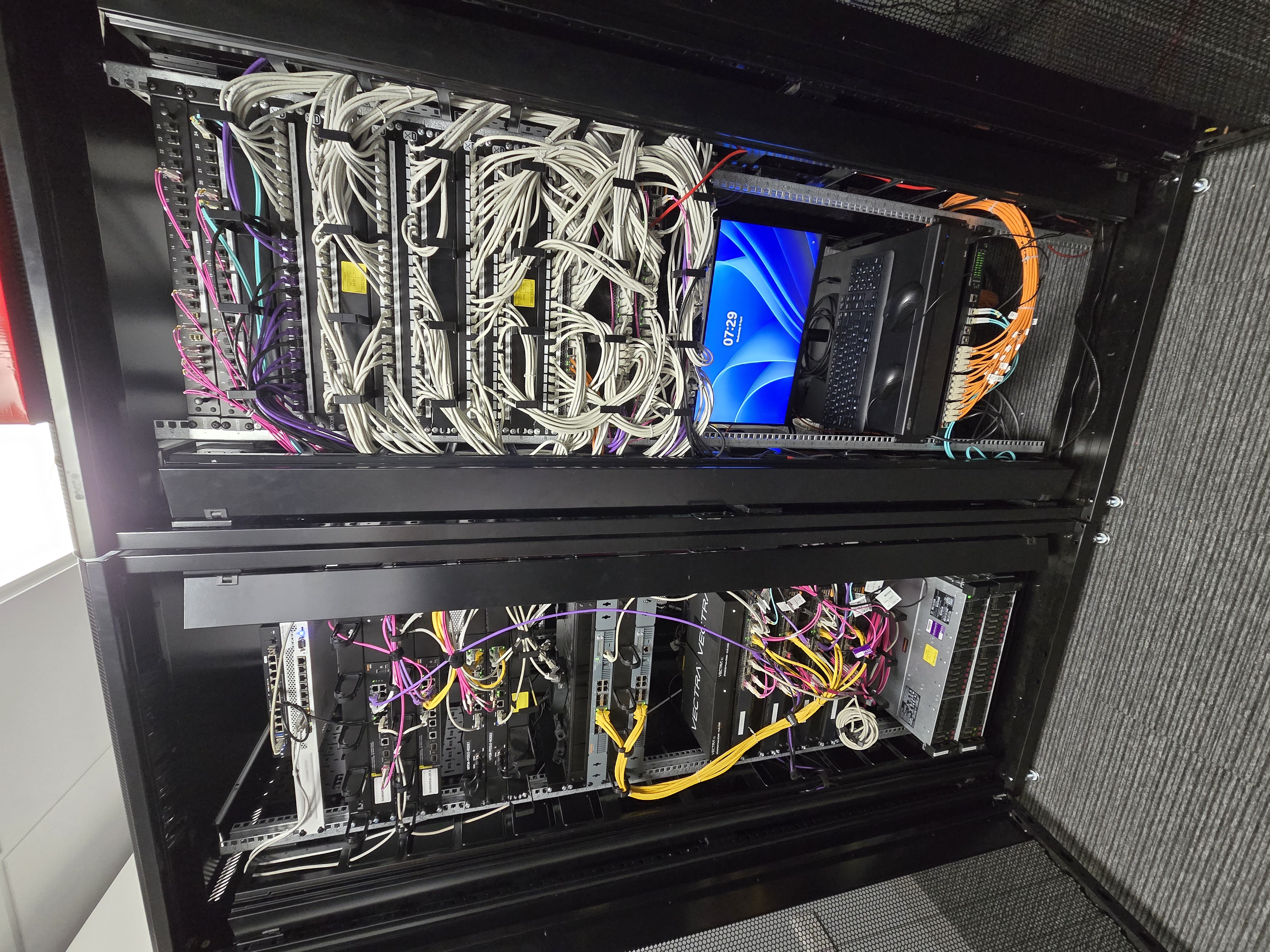
The project started with the server room specification — rack layout, power distribution, cooling requirements, network architecture, and the cabling schedule. I managed the cabling contractors directly, reviewing their work at each stage and signing off before the next phase proceeded. If something was not right, it was redone. A server room built on a shortcut is a server room that fails at 3am.
For equipment configuration, I worked directly with the client's corporate ICT team at group HQ, who handled hardware configuration to their own standards. Aligning their work with the wider infrastructure design, coordinating delivery schedules, and integrating their output into the broader environment was as much a part of the project as anything I did hands-on.
Endpoint migration ran in parallel. 130+ machines across four sites — each one identified, imaged, tested, and physically relocated. I did the majority of this work personally. A machine that doesn't work on day one in a new factory is a production problem, not just an IT problem.
The network architecture was designed to support the consolidated operation from day one — not patched together from the four existing environments. Single domain, clean Active Directory, properly segmented VLANs, documented infrastructure. The kind of environment where the next person who touches it can understand it without spending three weeks reverse-engineering what was done and why.
"Multi-site. Multi-vendor. One person accountable for all of it. From bare walls and cable coils on the floor to a live, labelled, fully documented environment — coordinated, delivered, signed off."
This project is a reasonable illustration of how complex infrastructure work actually gets delivered well: not by one person doing everything in isolation, but by one person who understands the full scope, makes the right calls about when to bring in specialist support, and remains accountable for the outcome from start to finish.
The factory build is available to discuss in more detail for prospective clients with similar requirements. Initial conversations can happen remotely; for projects of this scale, I come to you.
Whether it is infrastructure, ERP, or something that does not fit neatly into a category — the best first step is a straightforward conversation.